

Executive Team

Mah-Séré Keita, M.P.H
Chief Executive Officer
As a female native of Mali, Mah-Séré Keita is especially committed to advancing the health of underserved and vulnerable populations. She is an enthusiastic and creative global health professional with 20+ years of research, analytical, patient care, project development, and management experience. Throughout her career, she has had the opportunity to meet and work with numerous development leaders worldwide, often conceptualizing with them innovative approaches to addressing issues that affect the most vulnerable populations. Mah-Séré Keita is fluent in English, French, and Bambara, and has a working knowledge of Portuguese and Spanish. Her fluency in different languages, along with her cultural competency and diplomacy skills stemming from years of international travel and living experiences, has enabled her to engage with multiple groups of people worldwide. Mah-Séré Keita has held leadership positions at THRIVEGulu, the African Society for Laboratory Medicine (ASLM), Catholic Relief Services-Mali, the American Society for Microbiology (ASM), and the Association of Schools and Programs of Public Health (ASPPH).
She holds a Master’s in Public Health (MPH) with a focus on infectious disease epidemiology, a Certificate in Health Finance and Management from the Johns Hopkins Bloomberg School of Public Health, and a Bachelor of Science (BSc) in pre-medicine biology from Boston College.

Susana Oguntoye, M.P.H
Chief Strategic and Governance Officer
Susana Oguntoye was raised in Nigeria and Germany, which gave her a multicultural background. This upbringing instilled in her a deep appreciation for diversity and a desire to make a positive impact on the world. Susana has extensive experience in health research and policy, and her passion for addressing health disparities by strengthening health systems genuinely speaks to her compassionate nature. Susana has held leadership positions at the Kupona Foundation and Rabin Martin and is now the Head of Partnerships at Business for Health Solutions. Susana has also helped provide much-needed healthcare and specialized surgery to over 124,000 people in Tanzania. It is clear that Susana is dedicated to positively impacting people's lives, and her background in advocacy, gender, disease-specific disability rights, and public health only further highlights her compassionate and caring nature. She holds a Master of Public Health degree from the London School of Hygiene & Tropical Medicine and a Bachelor of Science in Molecular Biology & Immunology from King's College, University of London.

Maritza Urrego
Chief Operations and Administrative Officer
Raised in Colombia, South America, Maritza Urrego has dedicated more than 20 years contributing to the betterment of the world by managing public and private sector projects focussed on global public health and infrastructure. As a Senior Program Officer at the American Society for Microbiology, Maritza's management style is focused on empowering colleagues, collaborators and communities to create a better future. Her passion for eradicating poverty and poor health conditions worldwide drives her efforts to make a personal difference in the lives of others. Her expertise includes project design, implementation, and monitoring and evaluating; budget management and reporting; policies and procedures; human resources talent acquisition and onboarding; proposal development; contract management; client service management; organizational logistics management at national and international levels, and organization website and marketing material development and management. Maritza holds a Bachelor of Business Administration (BA) awarded by Global Education Group and a certificate in Project Management from Georgetown University's School of Continuing Studies in Washington, D.C. She is fluent in Spanish, English, and Italian and has a working knowledge of Portuguese and French.

Subject Matter Experts

Sadaf Chaudhry, M.D. MSPH
Dr. Sadaf Chaudhry is a physician, public health leader, and nonprofit executive with over 20 years of experience advancing global and domestic health equity, with a particular focus on maternal, newborn, and reproductive health. She currently serves as Executive Director of the Coalition for Racial and Ethnic Equity in Development (CREED), where she leads organizational strategy, partnerships, fundraising, and governance to advance racial and ethnic equity across the international development sector.
Dr. Chaudhry began her career in neonatology and pediatrics in Pakistan, where working in resource-constrained settings shaped her lifelong commitment to serving marginalized populations and addressing the structural determinants of health. Over the course of her career, she has led large-scale, multi-country health programs across Asia, Africa, Europe, and the United States, partnering with governments, multilateral agencies, and global donors including USAID, CDC, PEPFAR, and DFID.
A recognized leader in midwifery and maternal health systems strengthening, Dr. Chaudhry previously served in senior leadership roles at the American College of Nurse-Midwives, where she built and led the Global and Domestic Engagement portfolio. She directed a multidisciplinary team of clinical and public health experts, expanded the organization’s grant portfolio more than tenfold, and led transformative initiatives including midwifery workforce development, e-learning platforms, and global technical assistance programs to improve equitable access to quality maternal and newborn care.
Dr. Chaudhry’s leadership spans program development, business growth, and organizational transformation. She has successfully scaled complex health portfolios—from $1.2 million to $10 million at the Association of Public Health Laboratories—and built high-performing teams and systems that drive sustainable impact. Her work reflects a strong commitment to partnership-building, innovation, and community-centered approaches to health and development.
A passionate advocate for human rights, gender equity, and social justice, Dr. Chaudhry brings a systems-thinking approach to addressing health disparities, integrating policy, practice, and community voice. She currently serves on the Board of Directors of the Inteleos Foundation and continues to support advocacy efforts both globally and locally.
Dr. Chaudhry is fluent in Urdu, English, and Hindi, with working knowledge of Punjabi and Sindhi, and proficiency in reading and writing Arabic. She holds a medical degree from Sindh University and a Master of Science in Public Health from Quaid-e-Azam University and continues her professional development through advanced studies at Harvard Extension School.

Sr Martin R Evans Ph.D., CLT, MT(ASCP)
Dr. Martin Evans is a clinical laboratory director with a PhD in medical microbiology and immunology. He has held management and leadership positions in academia and in both the public health and private sectors. Dr. Evans is currently a Microbiology and Laboratory Subject Matter Expert for the Global Public Health Program (GPHP) at the American Society for Microbiology (ASM) and the Association of Public Health Laboratories (APHL). He has consulted for many projects in Africa, Asia, and Central and South America.
Dr. Evans has focused on training national laboratories and their networks to perform good laboratory practice (GLP) commensurate with global/CLSI standards and ISO15189 accreditation requirements. He has conducted training in two forms: in-country hands-on workshops with laboratories, and remote training via the ECHO learning platform, utilizing associated case presentations on problem and quality-related microbiology issues. Dr. Evans has led ECHO training programs for national laboratories and their networks in antimicrobial resistance (AMR) surveillance, the One Health approach, SARS-CoV-2, and other technical areas in Kenya, Ethiopia, Tanzania, Mexico, Peru, and Brazil. In addition to AMR, his project management experience includes national laboratory strategic planning, supply chain management, laboratory information management system (LIMS) implementation, monitoring, and evaluation (M&E), and quality management systems. Dr. Evans is a recipient of APHL’s Thomas E. Maxson Education, Training and Workforce Development Award.
Prior to consulting, Dr. Evans was an Associate Director at the New York City Public Health Laboratory, where he held senior leadership positions including Director of Technical Affairs and Manager of all microbiology sections. Previously, Dr. Evans spent 14 years in the private sector as a clinical laboratory director at Quest Diagnostics and Smith Kline Beecham Clinical Laboratories. Prior to that, he held academic positions at Temple University and the University of Zimbabwe Faculty of Medicine. He is a licensed medical technologist in New York State and was elected as the first chairperson of the New York State Board for Clinical Laboratory Technology.

Shirematee Baboolal Ph.D.
Dr. Shirematee Baboolal holds a PhD in medical microbiology and a postgraduate diploma in quality management systems. She has provided consultancy services through several organizations, including The American Society for Microbiology (ASM), PAHO (Caribbean), WHO (Sierra Leone and Mauritius), the Association of Public Health Agency (APHL), and USAID.
After 29 years and with a wealth of knowledge and experience in laboratory services strengthening, she moved to the African Region (Nigeria, Botswana, Namibia, Sierra Leone, Mozambique, Tanzania, Cote d’Ivoire, Mauritius, Ethiopia, Tanzania, Rwanda, and Zambia) and Middle East (Oman, Kuwait, and Pakistan) where she provided consultancy and mentoring services in laboratory strengthening, TB and microbiology diagnostic, quality management systems, leadership, and management.
Prior to consulting, Dr. Baboolal worked as a Technical Coordinator, Microbiology at one of the most prestigious organizations in the Caribbean, the Caribbean Epidemiology Centre (CAREC), now the Caribbean Public Health Agency (CARPHA). This organization was run by PAHO/WHO and provided reference and referral services to 21 countries in the Caribbean.
Dr. Baboolal holds a PhD. in Medical Microbiology, Molecular Epidemiology of TB in the Caribbean from the University of the West Indies, and a postgraduate diploma in Clinical Laboratory Quality and Operational Management from Michener University, as well as an Master of Philosophy (Pathology and Microbiology), Cognitive Development of Children with Parasitic Infection in T&T from the University of the West Indies, and a Bachelor of Health Sciences (Education and Management) from the University of Technology, Kingston, Jamaica.
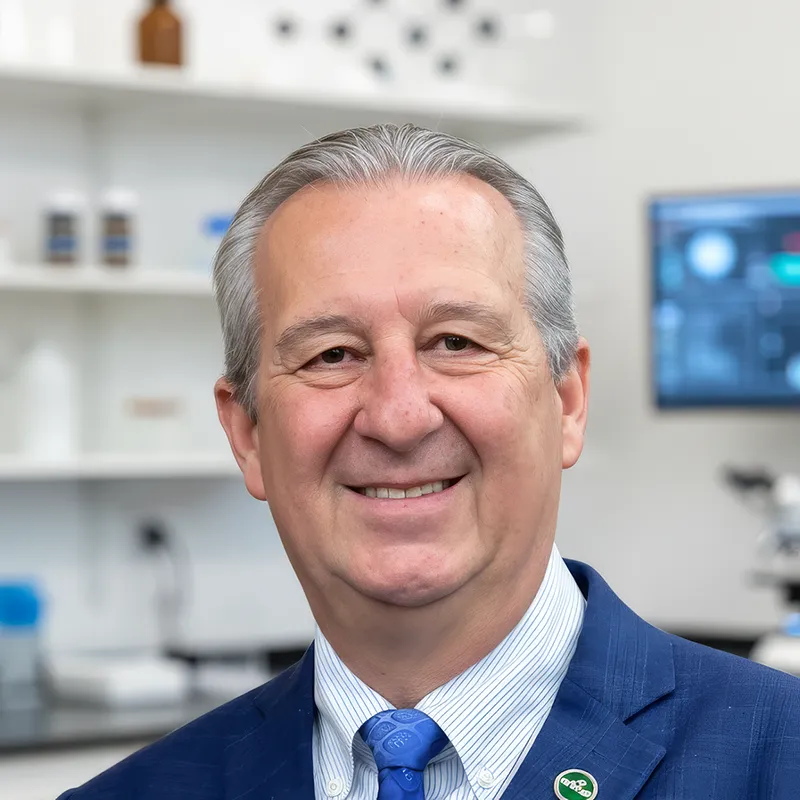
Vlademir V. Cantarelli, PharmD, MSc, PhD
Dr. Vlademir Cantarelli is a clinical microbiologist and global health laboratory expert with over twenty years of experience in infectious disease diagnostics, antimicrobial resistance (AMR) surveillance, and strengthening laboratory systems. His work centers on enhancing microbiology capacity, molecular diagnostics, biosafety, and quality management in clinical and public health laboratories, especially in low- and middle-income countries. He combines academic knowledge with extensive practical experience supporting laboratory networks and national public health programs.
Dr. Cantarelli has been an international consultant for the American Society for Microbiology (ASM) since 2007, working through the Global Public Health Program and Laboratory Capacity Building initiatives. In this role, he has supported microbiology mentoring programs, antimicrobial resistance surveillance projects, and laboratory strengthening efforts across Africa, Asia, and Latin America. His work has included practical laboratory training, developing diagnostic capacity, mentoring national reference laboratories, and supporting the implementation of antimicrobial stewardship and AMR surveillance programs.
Recently, Dr. Cantarelli has been working as an international consultant for WHO-EURO in the Better Labs for Better Health initiative, assisting with the strengthening of laboratory systems and antimicrobial resistance surveillance in Central Asia. He has also partnered with USAID, PATH, and other global health organizations on projects related to infectious disease detection, laboratory assessment, and microbiology training. Over the past 15+ years, he has contributed to laboratory capacity-building programs in more than 20 countries across Africa, Asia, Europe, and Latin America, supporting national laboratories in adopting modern microbiology practices aligned with international standards such as CLSI and EUCAST.
Along with his global health work, Dr. Cantarelli is an Adjunct Professor of Microbiology at the Federal University of Health Sciences of Porto Alegre (UFCSPA), Brazil, where he helps train students and lab professionals in clinical microbiology and molecular diagnostics. He previously held leadership roles in clinical laboratories in Brazil and has been involved in research on bacterial pathogens, molecular diagnostics, and antimicrobial resistance.
Dr. Cantarelli completed postdoctoral training at the Research Institute for Microbial Diseases at Osaka University in Japan and trained at Nagasaki University’s Institute of Tropical Medicine. He holds degrees in pharmacy and biomedical sciences and is fluent in Portuguese, English, and Japanese, with working knowledge of Spanish and French and a good understanding of Russian. His professional career demonstrates a strong commitment to strengthening laboratory systems and enhancing global capacity to detect and respond to infectious diseases.
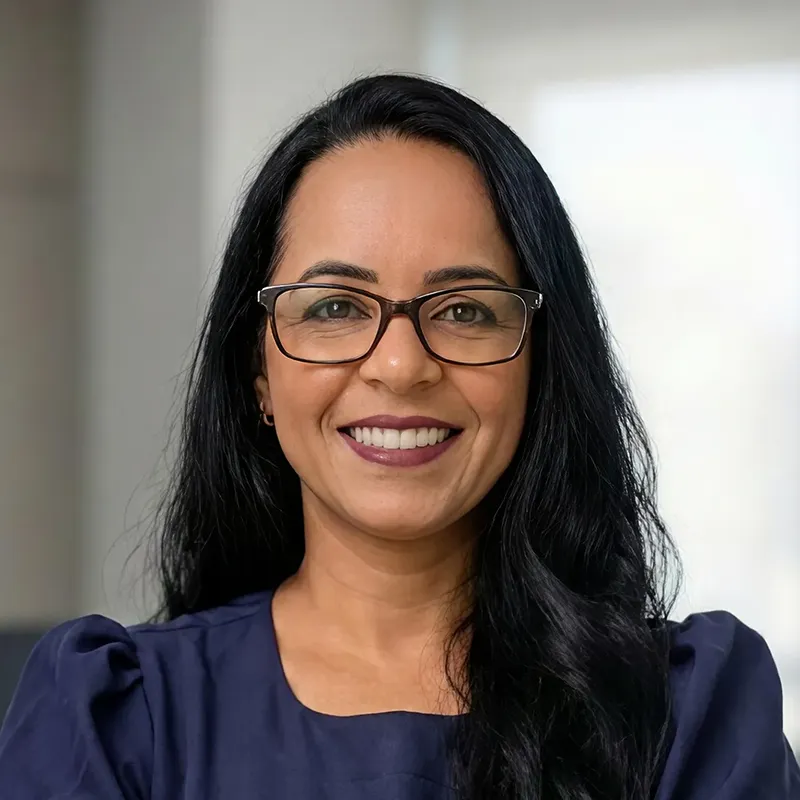
Kelly Araújo Silva, PharmD, MPH, MLS(ASCPi)
Kelly Araújo Silva is a highly accomplished pharmacist, medical laboratory scientist, and international laboratory systems strategist with over 20 years of experience leading high-impact diagnostics, quality systems, and health policy initiatives across Latin America, Africa, and global health programs. She is widely recognized for her ability to architect and operationalize complex laboratory systems in low- and middle-income countries (LMICs), transforming global standards into scalable, country-adapted solutions that deliver measurable system-level impact.
Kelly has served as an international consultant for the American Society for Microbiology (ASM) through its Global Public Health Programs, contributing to national laboratory strengthening, strategic planning, and diagnostic network optimization. Her portfolio includes leadership roles in the development of national laboratory strategic plans, Essential Diagnostics Lists (EDL), tiered diagnostic service frameworks, and integrated laboratory networks aligned with WHO guidance, CLSI standards, and ISO 15189 requirements. Her expertise spans the full laboratory system lifecycle, including policy development, governance, quality management systems (QMS), accreditation readiness, supply chain integration, laboratory information systems, and workforce capacity development. She has extensive experience conducting national situational assessments, facilitating high-level Technical Working Groups, and leading multi-stakeholder consultations involving Ministries of Health, donors, and implementing partners.
Kelly brings a rare dual perspective combining technical excellence and regulatory rigor with hands-on operational leadership, having served as a laboratory manager in real-world settings while simultaneously advising governments and international organizations. She is a trained ISO 9001 Lead Auditor, internal auditor, and laboratory quality assessor, with additional training aligned to CAP inspection frameworks and DICQ accreditation systems, reinforcing her authority in audit readiness, compliance, and continuous quality improvement. Her work is distinguished by a systems-thinking approach that integrates diagnostics within broader health system strengthening, including linkages with epidemiological priorities, disease programs, and national supply chains. She has contributed to projects supported by leading global health actors, including WHO, USAID, CLSI, and international development partners, consistently delivering high-quality technical outputs under complex, resource-constrained environments.
In addition to her technical leadership, Kelly is a recognized trainer and mentor in laboratory quality systems and diagnostics, delivering capacity-building programs in Spanish, English, and Portuguese. Her multilingual proficiency enables effective engagement across diverse regions, particularly in Latin America, Mena region and Africa, where she has built strong institutional and cross-cultural partnerships.
Kelly holds a degree in Pharmacy (PharmD-equivalent) and Clinical Laboratory Sciences, with international certification as a Medical Laboratory Scientist (MLS – ASCPi). She is also advancing her expertise in supply chain and health systems management through postgraduate training in logistics and operations. Her professional profile reflects a unique combination of policy influence, technical depth, and execution capability, positioning her as a trusted advisor for governments and global health organizations seeking to strengthen diagnostic systems and expand equitable access to quality laboratory services.
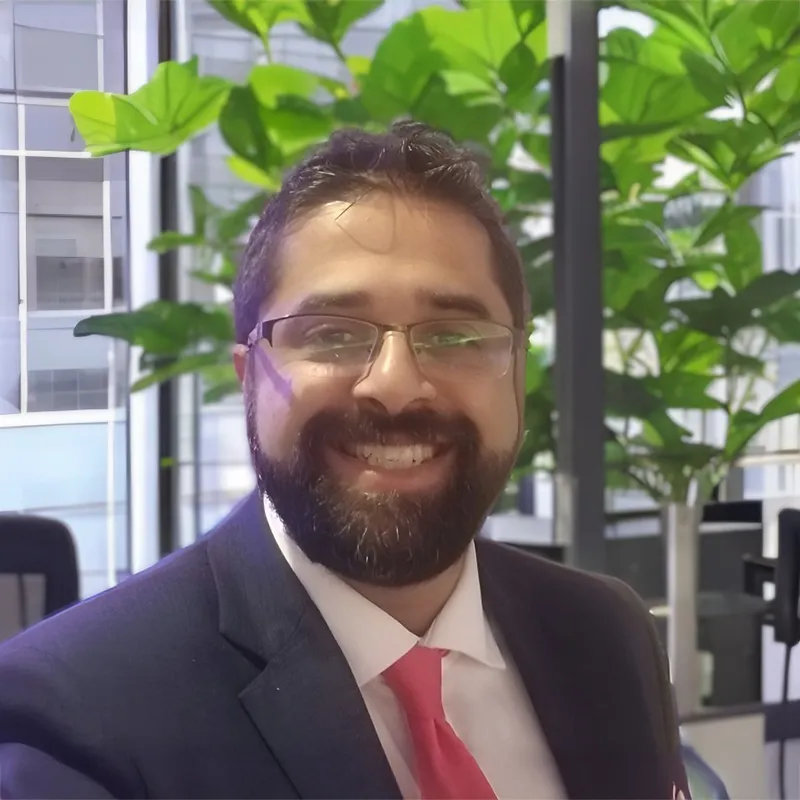
Shalin Shah, MD, MPH
Dr. Shalin Shah is a dynamic physician with over 15 years of global expertise in public health, Dr. Shalin Shah is a dynamic physician with over 15 years of global expertise in public health, infectious diseases, and biotechnology. His diverse portfolio spans clinical practice, drug and diagnostic assay development, and strategic leadership in medical affairs. As a thought leader in hematology, oncology, immunology, and rapid diagnostics, Dr. Shah has contributed significantly to advancements in precision medicine, including innovations in PD1, CAR-T, CTLA, and PDL-1 inhibition therapies. He is also a strong believer in the 5 pillars of Lifestyle Medicine and the prevention of chronic disease.
With a robust academic foundation comprising an MD and MPH. Dr. Shah excels in integrating clinical and economic evidence to optimize health outcomes. His accomplishments include spearheading the FDA clearance of a pneumonia diagnostic panel, leading clinical trial operations, and fostering KOL engagement for enhanced adoption of life-saving diagnostic tools. His expertise in health economics and outcomes research (HEOR) ensures market access strategies that balance patient care with sustainable reimbursement models. In addition to his work in diagnostics and drug development, Dr. Shah has been a pivotal member of committees addressing global health security, such as BARDA's initiatives against biothreat pathogens. His clinical experience spans advanced imaging techniques and patient management, enriching his ability to bridge complex medical science with actionable insights for healthcare stakeholders.
Dr. Shah’s leadership roles in organizations like StratusG Consulting and T2 Biosystems highlight his capabilities in mentoring MSL teams, automating CRM processes, utilizing AI, and advocating for innovation in medical science. He has a proven record of delivering impactful presentations at international conferences, publishing in peer-reviewed journals, and collaborating on investigator-initiated studies. Committed to public health, Dr. Shah has championed initiatives in antimicrobial resistance, disaster relief, physical activity, tuberculosis, infection control and prevention. His work supports the Joint Commission for accreditation and compliance for professionals who seek to prevent hospital and surgical site infections in hospitals, ambulatory surgical centers and long-term care facilities.
Dr. Shah’s dedication to combining clinical excellence, public health leadership, and strategic innovation continues to drive meaningful change in the healthcare landscape.
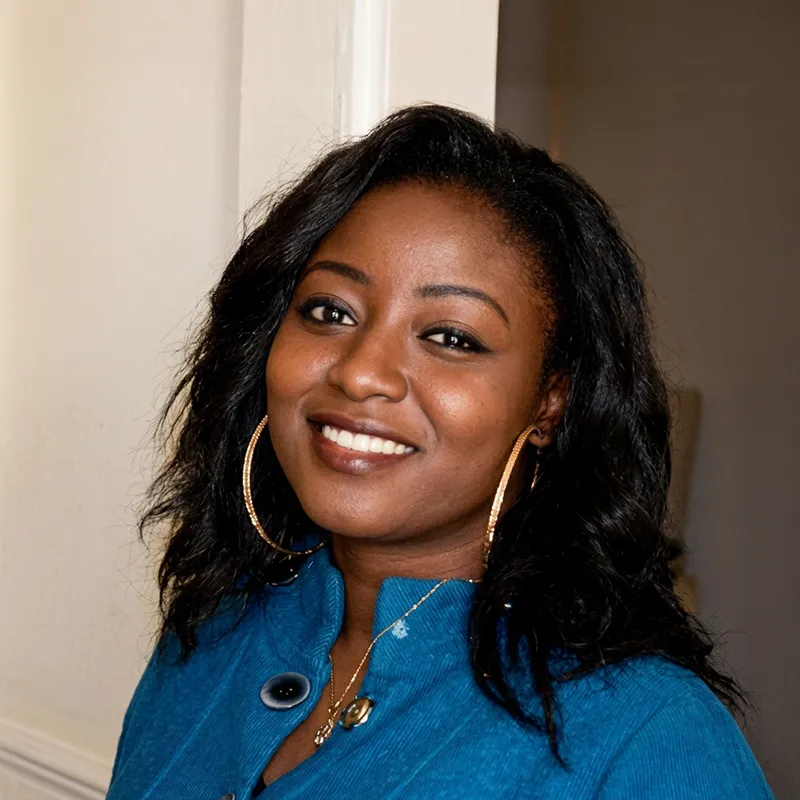
Ade Olarewaju, MSEH, PMP
Ade Olarewaju is a passionate Global Health Security Technical Advisor and Microbiologist committed to strengthening health systems and expanding access to quality care. Born and raised in Nigeria by healthcare providers, she witnessed how access to diagnostics and treatment shapes outcomes for mothers, children, and underserved communities. These experiences shaped her belief that undetected disease “anywhere” poses a risk “everywhere”, and a strong, well-resourced health system is essential to prevention and response. Her work focuses on expanding equitable access to accurate diagnostics and strengthening systems to deliver quality care.
Ade earned a B.Sc. in Microbiology from Nigeria and M.Sc. in Environmental Health from the University of the West of England, Bristol, where she also gained frontline experience within the NHS. She has since built a career spanning the United Kingdom and the United States, combining global experience with practical, on-the-ground impact. Working across diverse settings has strengthened her ability to engage effectively with governments, communities, and partners in both local and international contexts.
Ade brings over 12 years of experience in global health security, strengthening laboratory and health systems across more than 10 countries in Sub-Saharan Africa, the Caribbean, and beyond. Her expertise spans HIV/AIDS, tuberculosis diagnostics, antimicrobial resistance (AMR) surveillance- One Health, outbreak preparedness and response, cold-chain supply systems, procurement, and digital health. She has supported programs funded by CDC-PEPFAR, CDC-GHS, WHO, WOAH, USAID, and the UK Fleming Fund, contributing to national and regional implementation of the Global Health Security Agenda (GHSA) with a focus on laboratory systems, disease surveillance, and emergency response.
Ade’s passion for maternal and child health has been a consistent focus throughout her career. Through the PEPFAR Accelerating Children’s HIV/AIDS Treatment (ACT) Initiative, she contributed to reducing mother-to-child transmission of HIV by improving access to diagnostics, care, and treatment for mothers and newborns in resource-constrained settings. She also led the HIV/BCCP cold-chain supply program, managing the full lifecycle of laboratory commodities from planning and procurement to quality assurance and last-mile delivery helping reduce stockouts and maintain access to life-saving diagnostics services for HIV-positive patients.
A recognized laboratory systems architect, Ade played a pivotal role in developing the CDC’s Mentor-4-TB package, a comprehensive initiative covering TB diagnostic capacity building and training curricula. In the AMR space, she has implemented One Health surveillance programs from the ground up [i.e. infrastructure development, training, and proficiency testing through data quality assurance through data report submission to global platforms like the WHO Global Antimicrobial Resistance and Use Surveillance System (GLASS)]. Her outbreak response work includes technical support for Ebola, and cholera preparedness and containment, with a focus on strengthening coordination between laboratories and emergency operations centers.
Beyond her technical contributions, Ade is a leader, mentor and connector. She has led multidisciplinary teams, managed grants and sub-awards, supported policy engagement, and delivered training to healthcare workers across multiple countries.
Ade holds an M.Sc. in Environmental Health from the University of the West of England (Bristol, UK), a B.Sc. in Microbiology from the Federal University of Agriculture (Abeokuta, Nigeria) and is a certified Project Management Professional (PMP).
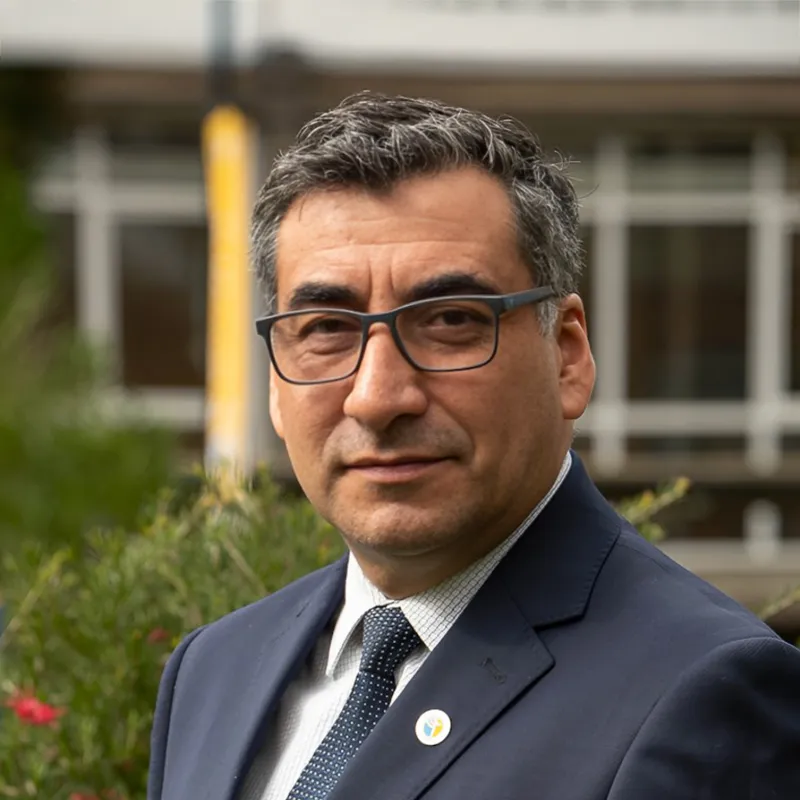
Victor Silva. Medical Laboratory Scientist, MSc, PhD
Dr. Victor Silva is a clinical microbiologist and global health laboratory expert with over 25 years of experience in strengthening diagnostic networks, antimicrobial resistance (AMR) surveillance, and quality management systems. His work focuses on enhancing microbiology capacity, medical mycology, and implementing international standards in clinical and public health laboratories across Latin America, Africa, and Asia. He combines high-level academic leadership with extensive field experience supporting national health programs and international organizations.
Since 2010, Dr. Silva has served as a permanent International Consultant for the American Society for Microbiology (ASM) and the U.S. Centers for Disease Control and Prevention (CDC). In this capacity, he has led laboratory capacity-building initiatives, workshops, and mentorship programs in countries including Vietnam, Botswana, Mozambique, Mexico, Brazil, and Peru.
Dr. Silva has held senior academic positions, including Director of the Health Sciences Faculty at Universidad Santo Tomás and Universidad Católica de Temuco, as well as Full Professor at Universidad Mayor. He is the founder and CEO of VSV-Consulting-LATAM, providing specialized training in medical mycology, AMR, and laboratory surveillance in Covid-19.
With more than 75 scientific publications, his research focuses on clinical microbiology, molecular epidemiology, and "One Health" approaches to infectious diseases. He holds a patent for innovative copper-based nano formulations for treating infected chronic wounds.
Dr. Silva holds a PhD. and a Master’s degree in Microbiology and Immunology from the Federal University of São Paulo (UNIFESP), Brazil. He completed a Post-Doctoral Fellowship at Michigan State University and specialized in Medical Mycology at the Pasteur Institute in Paris. He is a licensed Medical Laboratory Scientist and has been recognized with multiple honors, including "Best National Academic" and the "Soul of the Medical Technologist" award from the Chilean College of Medical Technologists.

Manise Pierre, MHA
Manise Pierre is a distinguished public health and microbiology leader with over a decade of experience advancing global health security, laboratory systems strengthening, and infectious disease surveillance across Africa, Southeast Asia, the Middle East, and the Caribbean.
As a Program Officer with the American Society for Microbiology, they manage a multi-million-dollar international portfolio funded by major donors including CDC, USAID, the U.S. Department of State, and the Fleming Fund. Manise has led and coordinated complex programs across more than 10 countries—including India, Tanzania, Yemen, Brazil, and Mexico—driving laboratory capacity-building, antimicrobial resistance (AMR) initiatives, and disease surveillance systems. Their leadership has resulted in strengthened national laboratory networks, improved budget performance with full utilization of program funds, and timely delivery of high-impact global health initiatives.
Previously, as an International Laboratory Consultant with WHO/PAHO in Haiti, Manise played a pivotal role in establishing the organization’s technical laboratory presence in-country and positioning it as a trusted national partner. They led genomic surveillance and laboratory strengthening efforts during the COVID-19 pandemic, developed national policies and strategic plans for AMR and respiratory disease surveillance, and significantly reduced laboratory stock-outs through improved procurement systems. During their tenure with the U.S. Centers for Disease Control and Prevention in Haiti, Manise supported nationwide laboratory system strengthening under PEPFAR, contributing to advancements in HIV diagnostics, tuberculosis testing protocols, and laboratory information systems. They also managed multimillion-dollar supply chains, coordinated national training programs, and worked closely with ministries of health and international partners to expand diagnostic access and quality assurance systems.
Manise holds a Master of Science in Health Administration with a concentration in Global Health and a Bachelor of Science in Cellular Biology. They are recognized for their ability to bridge epidemiology, laboratory science, and strategic program management to deliver sustainable health solutions in resource-limited settings. A frequent speaker at international conferences, including the African Society for Laboratory Medicine and ASM Microbe, Manise has contributed to research and technical discourse on AMR, laboratory capacity building, and infectious disease control. Through a career defined by cross-country impact and systems-level change, they continue to drive innovative approaches to strengthening global health infrastructure and advancing equitable access to diagnostics worldwide.
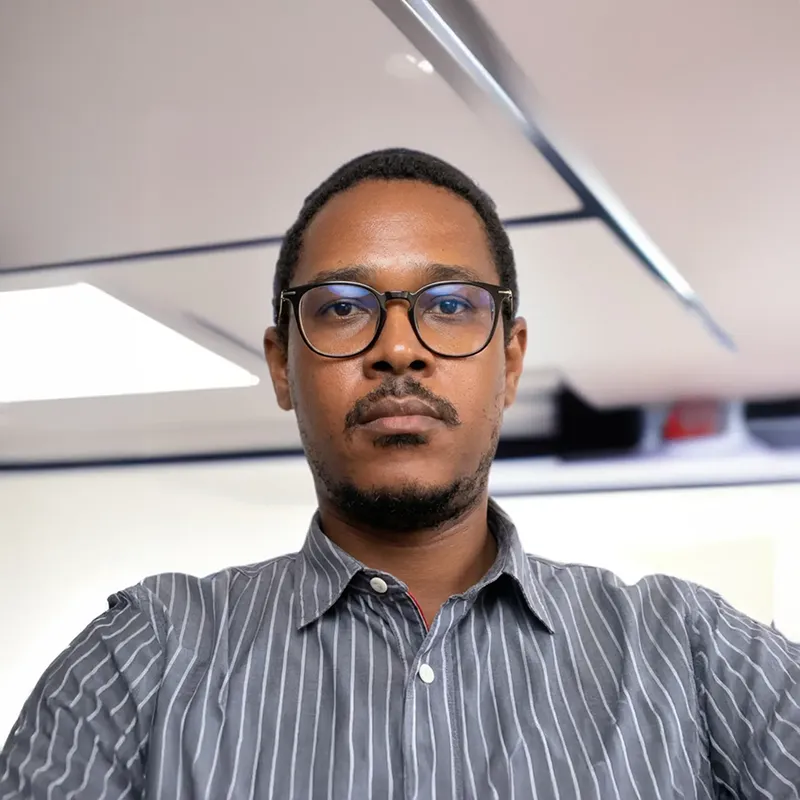
Dinis Jaintilal, DVM, MPH
Dinis Jaintilal brings over 10 years of experience in laboratory systems strengthening and working on CDC/PEPFAR funded projects. His work in laboratory activities started in 2007 at the Manhica Health Research Center, where he worked as a Training Fellow and supported the microbiology and molecular biology laboratory. Following this, he served as Laboratory Technical Advisor for the Vanderbilt University Friend’s for Global Health (FGH) and was responsible for training and mentoring laboratory technicians in immunology and molecular biology at the Quelimane Provincial Hospital Laboratory on procedures for quantification of CD4+T Cells and HIV early infant diagnosis (EID).
Dinis transitioned to working on CDC/PEPFAR programming, first for the American Society for Microbiology (ASM) where he managed the ASM laboratory strengthening program, and then for the University of Maryland, Baltimore where he managed the UMB Mozambique programs including the CDC-funded LAPSEC project. In these roles, he has provided technical support to the clinical and reference laboratory network for diagnosis of HIV, TB, and other HIV/AIDS-related opportunistic infection, liaised directly with in-country implementing partners, and stakeholders, and participated in national working groups for the development of the National Laboratory Strategic plan, National Biosafety, GeneXpert, Specimen Referral and EQA expansion guidelines.
Dinis holds a Doctor of Veterinary Medicine (DVM) degree from the Universidade Eduardo Mondlane in Mozambique and a Postgraduate Diploma in Veterinary Epidemiology and Public Health from the University of London in England.
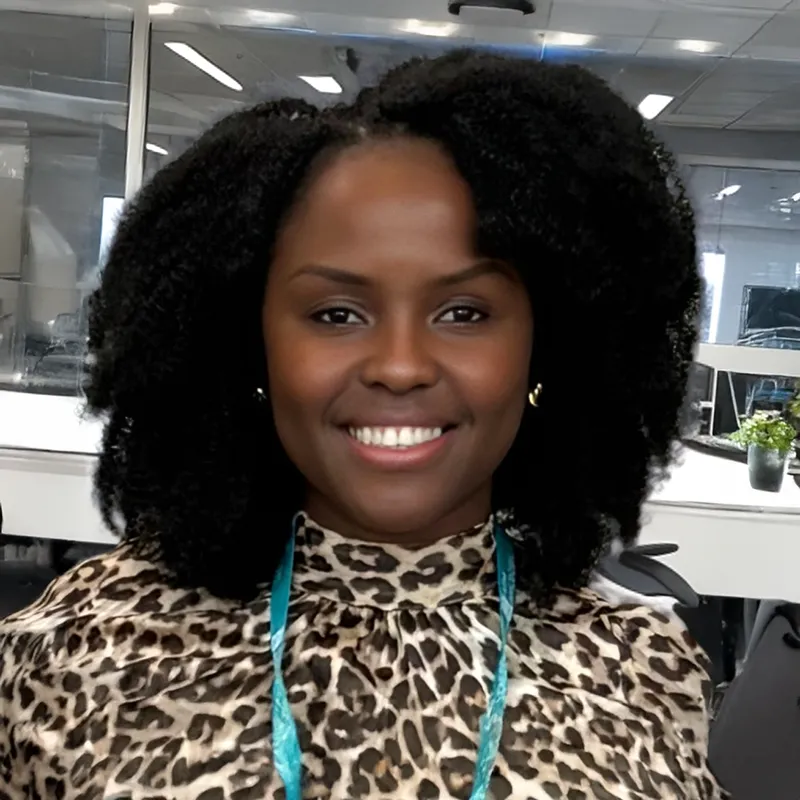
Aureliana Chambal Chilengue, DVM, MSc, PhD Candidate
Aureliana Chambal Chilengue is a public health researcher currently pursuing a PhD in Microbiology at Nottingham Trent University in the United Kingdom. Her research focuses on exploring innovative genomic approaches for strain typing and transmission analysis of Mycobacterium tuberculosis that are applicable in resource-limited settings.
Her doctoral studies are supported by the Schlumberger Foundation-Faculty for the Future Fellowship, an international program that supports women from emerging and developing economies to pursue advanced education in STEM fields. Through this fellowship, she aims to strengthen scientific capacity and contribute to research that can improve infectious disease surveillance and public health systems in low-resource settings.
Her engagement with the American Society for Microbiology (ASM) began during her work at the National Tuberculosis Reference Laboratory in Nampula, Mozambique, where she collaborated with ASM consultants to strengthen the laboratory’s quality management system and laboratory techniques. This work contributed to the successful accreditation of the tuberculosis reference laboratory, helping to strengthen diagnostic capacity for tuberculosis in the country.
Building on this experience, she later served as the ASM Young Ambassador for Mozambique, where she led initiatives to promote microbiology awareness, science outreach, and professional engagement among young scientists. She currently serves as Vice-Chair of the ASM Young Leaders Circle, contributing to global leadership initiatives that support early-career microbiologists and foster international collaboration within the microbiology community.
In addition to her research and leadership activities, Aureliana is the founder of the Microbiology Kids Club, a science outreach initiative designed to introduce schoolchildren to microbiology through interactive and hands-on learning activities. The program aims to improve scientific literacy and inspire the next generation of scientists, particularly in underserved communities.
She holds a Doctor of Veterinary Medicine (DVM) and a Master’s degree in Medical Biosciences and continues to collaborate with academic and public health institutions to advance research, laboratory capacity, and science education.
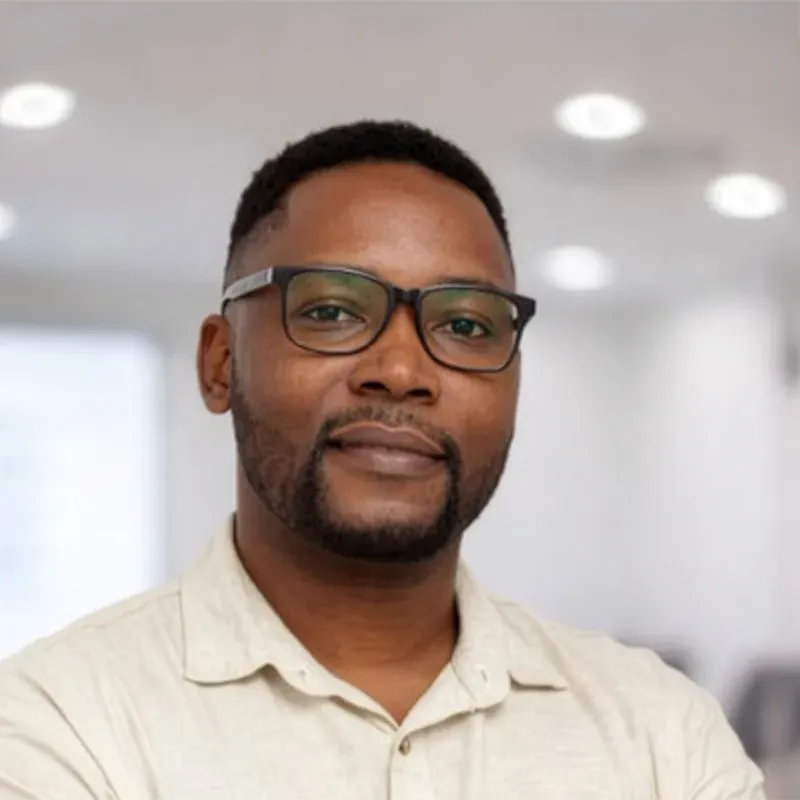
Augusto José Nhabomba, DVM, MSc, Ph.D
Dr. Augusto José Nhabomba is a public health expert, clinical researcher, and strategic advisor with over 20 years of experience advancing health systems strengthening, infectious disease research, and emergency response in Mozambique and internationally. His work spans clinical trials, laboratory systems, and public health program design, with a strong focus on translating scientific evidence into policy and practice in resource-constrained settings.
Dr. Nhabomba holds a PhD in Medicine from the University of Barcelona and a Master’s degree in Infectious Diseases and Immunology from the University of Sydney. He has led and contributed to large-scale research and implementation programs across HIV, malaria, tuberculosis, neglected tropical diseases, and sexual and reproductive health. During his tenure at the Manhiça Health Research Centre (CISM), he directed the Immunology Laboratory, where he strengthened diagnostic capacity, implemented quality systems aligned with international standards, and supported high-impact clinical and vaccine trials that generated widely cited scientific publications.
Beyond research, Dr. Nhabomba has played a key role in strengthening national health systems and emergency response mechanisms. He has supported the operationalization of Public Health Emergency Operations Centers (PHEOCs) in Mozambique, contributing to the development of situation reports, policy briefs, and after-action reviews that informed responses to cyclones, cholera outbreaks, and COVID-19. His work is closely aligned with global standards and partners, including WHO, CDC, UNICEF, and the Global Fund.
Dr. Nhabomba brings extensive experience in strategic planning, monitoring and evaluation, and laboratory systems strengthening, having led national-level initiatives such as HIV viral load scale-up plans, diagnostic network assessments, and neglected tropical disease strategies. He has worked with major global health organizations including USAID, ICAP, JSI, ASCP, and VillageReach, supporting governments in designing and implementing data-driven, high-impact programs.
A recognized leader in scientific writing and proposal development, he is also a registered evaluator with the European Commission’s Research Executive Agency, where he assesses international research proposals for technical merit, ethical compliance, and policy relevance. In parallel, he co-founded AN-Consultores and leads CAIS, providing technical assistance in research, data systems, and health program implementation.
Dr. Nhabomba’s expertise combines technical depth, strategic leadership, and strong partnership-building skills, positioning him as a trusted advisor to governments and global health partners. His work is driven by a commitment to strengthening resilient health systems, advancing evidence-based decision-making, and improving health outcomes in underserved populations.
Maryam Oladipupo, MSc. PH
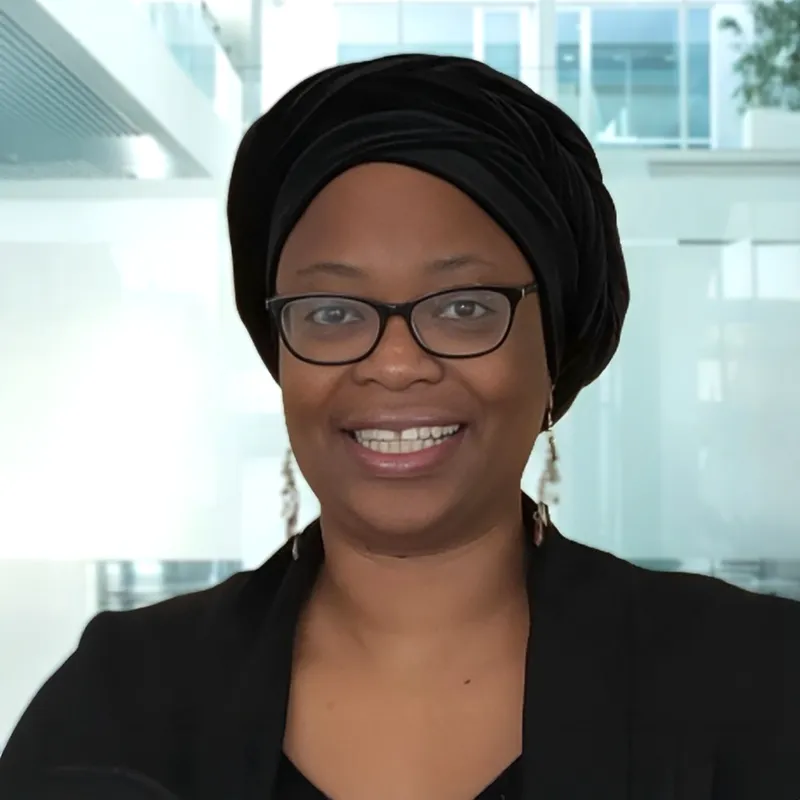
Maryam Oladipupo, is a public health professional with over a decade of experience working at the intersection of global health, research administration, and community engagement. Her work has spanned both international and domestic settings, where she has supported programs focused on infectious disease prevention, health systems strengthening, and equitable access to care. She has developed a strong ability to translate complex policy and technical guidance into practical, community centered approaches that improve health outcomes and strengthen partnerships.
She has held key roles with organizations such as the American Society for Microbiology and the National Institutes of Health, where she coordinated multi country public health initiatives and supported international research portfolios. In these roles, she worked closely with Ministries of Health, academic institutions, and implementing partners to manage program operations, analyze data, and support compliance with federal funding requirements. Her experience includes developing standard operating procedures, preparing technical reports and briefings, and facilitating communication across diverse stakeholders.
Her field experience includes contributing to the Ebola response in Lagos, Nigeria, where she collaborated with local health authorities and community-based organizations to support public health education and outreach efforts. She has also worked on zoonotic disease preparedness initiatives in Ethiopia, where she led the development and dissemination of low literacy health education materials in multiple languages and coordinated with donor groups to ensure efficient use of resources. Across these efforts, she has demonstrated an ability to navigate complex cultural and operational environments while maintaining a focus on community needs and program impact.
In addition to her professional work, she has remained actively engaged in local advocacy and community leadership. She has partnered with nonprofits in Washington, DC to advocate for improved mental health resources in schools, drawing on both her personal experience and professional background. She brings a collaborative, systems-oriented approach to her work and is committed to strengthening connections between policy, programs, and the communities they are designed to serve.

Mustafa R. Ali, MBA, MA
Mustafa R. Ali is a talent acquisition, human resources, and business development leader with over 15 years of experience supporting global programs across the United States, the Middle East, and emerging markets. His work focuses on building high-performing teams, supporting proposal development, and strengthening organizational capacity for donor-funded initiatives, including programs funded by U.S. government agencies such as USAID and other international partners.
Mustafa has led and supported recruitment and workforce strategy for large-scale programs across more than 25 countries, contributing to the successful staffing and mobilization of hundreds of professionals in complex and high-demand environments. His experience spans talent acquisition leadership, organizational development, and operational support for multi-million-dollar projects in sectors including public health, infrastructure, and international development. He has played a key role in aligning staffing strategies with technical and programmatic goals, ensuring both compliance and competitiveness in proposal submissions.
In addition to his talent leadership experience, Mustafa brings strong expertise in business development and proposal support. He has contributed to the preparation of competitive proposals by leading recruitment planning, supporting staffing approaches, coordinating with technical teams, and advising on organizational positioning. His work has supported projects valued at over $400 million, with a focus on U.S. federal funding mechanisms and international donor requirements.
As a Subject Matter Expert with Mass Health Solutions, Mustafa supports business development, proposal preparation, outreach, and organizational setup processes. His role includes assisting with donor engagement, contributing to proposal development efforts, and supporting key operational processes such as SAM.gov registration and compliance readiness. He works closely with leadership to help position the organization for sustainable growth and successful funding opportunities.
Earlier in his career, Mustafa held leadership roles with organizations such as Tetra Tech and UPMC, where he led recruitment strategy and workforce planning initiatives at scale. He also brings extensive field experience from his work in Iraq, where he managed human resources and project operations for large development programs in challenging and resource-constrained environments.
Mustafa holds a Master’s degree in International Affairs and Leadership and an MBA in Human Resources Management. He is fluent in English and Arabic and is committed to advancing sustainable, locally driven solutions that strengthen systems and expand access to essential services in underserved communities.
Tina J. Benoit, MPH
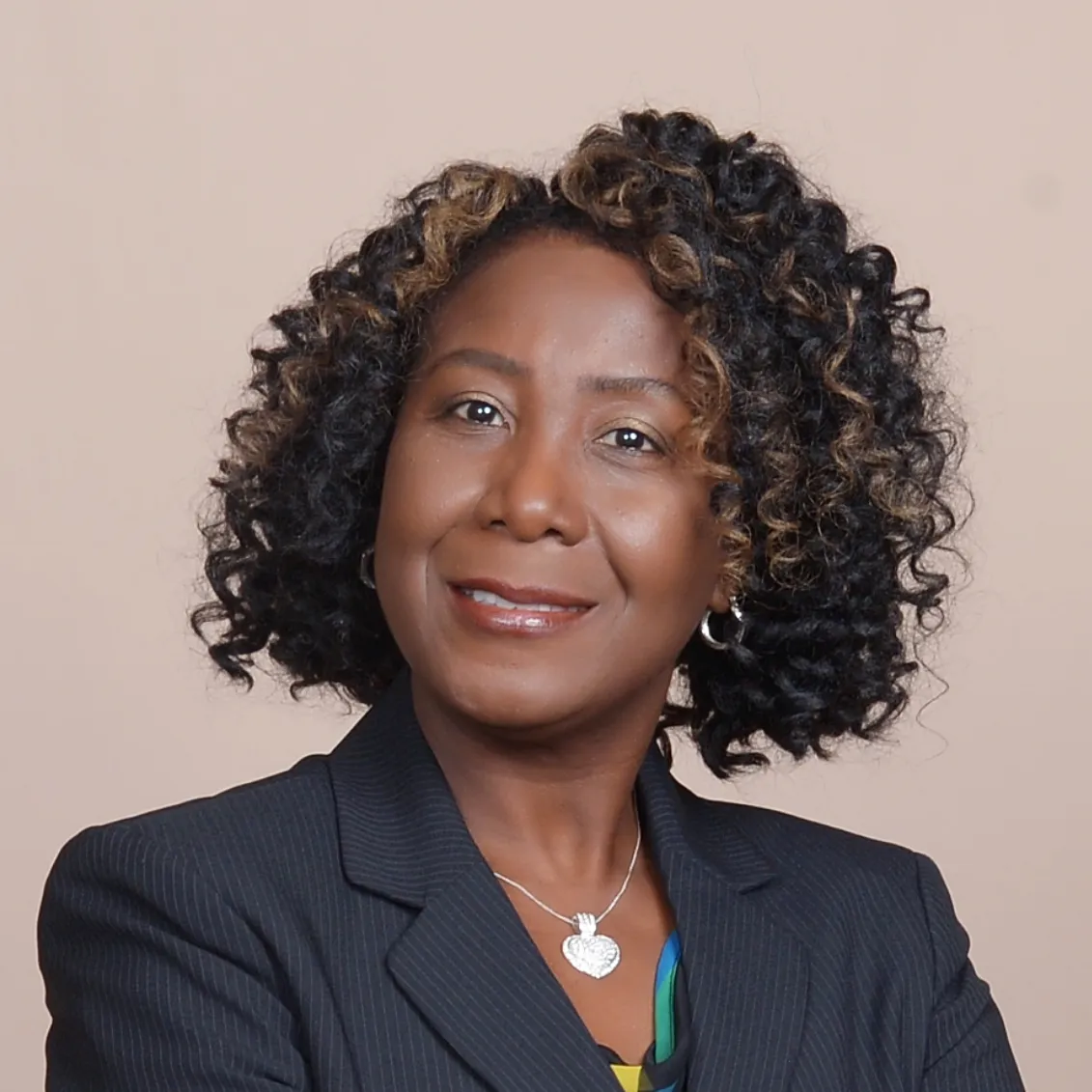
Tina J. Benoit, MPH, is a global health consultant, technical advisor, epidemiologist, and public health subject matter expert with more than 20 years of experience supporting government agencies, international organizations, healthcare institutions, and nonprofit organizations in the United States and internationally. Her expertise spans a broad range of public health priorities, including infectious and non-infectious disease surveillance, epidemiology, antimicrobial resistance, viral hepatitis, SARS-CoV-2, Ebola, polio, the Expanded Program on Immunization (EPI) and other vaccine-preventable diseases, Acute Flaccid Paralysis (AFP) surveillance, outbreak response, infection prevention and control, health systems strengthening, and strategic planning to strengthen public health programs and improve health outcomes.
Throughout her career, Ms. Benoit has provided scientific and technical expertise to organizations including the Centers for Disease Control and Prevention (CDC), the World Health Organization (WHO), state and local health departments, hospitals, and Ministries of Health across Africa and the Americas. Her international experience includes providing technical assistance and capacity-building support in the Democratic Republic of the Congo, Central African Republic, Côte d'Ivoire, Sierra Leone, Burkina Faso, Benin, Togo, and Niger.
Ms. Benoit is recognized for translating complex public health and scientific information into practical, evidence-based solutions that improve programs, strengthen health systems, and support informed decision-making. Her technical expertise includes epidemiologic investigations, data analysis and visualization, technical writing, training and workforce development, health literacy, and multilingual public health communication.
As the Founder and Chief Executive Officer of the Global RESTART Solutions, Ms. Benoit leads a woman-owned public health consulting firm dedicated to helping organizations improve health outcomes through evidence-based consulting, strategic communications, language access, data-driven solutions, and workforce capacity building. Through her leadership, she helps organizations design practical, culturally responsive solutions that strengthen systems, improve access to understandable health information, and enhance public health practice and patient outcomes.
Fluent in English, French, and Haitian Creole, Ms. Benoit is committed to translating complex health information into clear, culturally responsive resources that reduce barriers to care and improve understanding among diverse populations. She brings a unique global perspective and a deep commitment to advancing health equity, cross-cultural collaboration, and evidence-based public health practice. Her work is guided by the belief that accessible, understandable health information empowers organizations, healthcare professionals, and communities to make informed decisions that improve health outcomes.
Ms. Benoit has authored or co-authored over 20 peer-reviewed scientific publications, book chapters, and abstracts on topics including SARS-CoV-2, melioidosis, brucellosis, leprosy, and viral hepatitis.
Ms. Benoit holds a Master of Public Health (MPH) in epidemiology, a Bachelor of Science in Microbiology, a Certificate in Biotechnology, a Certificate in GIS Technology, a Certificate in Graphic Design, and numerous specialized professional certifications in public health and related disciplines.
Samba Diallo, MD
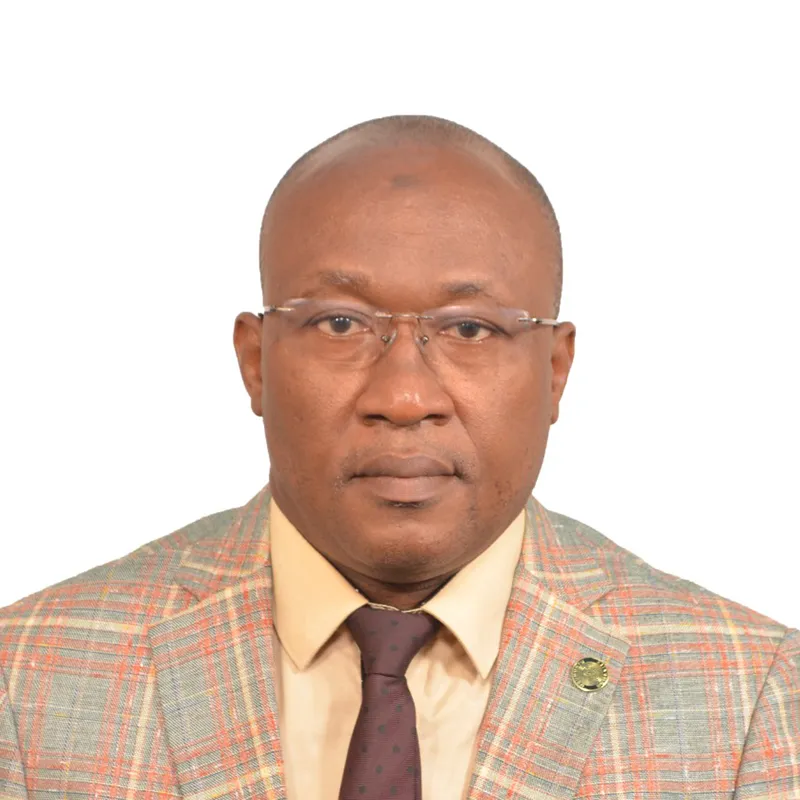
Dr. S. Diallo is a Medical Doctor specialized in Hematology, and a Quality Management System (QMS) Expert. He is a Certified Auditor for QMS-IRCA, ASLM SLIPTA and Quality Assessor/Team Leader for the West African Accreditation System (WAAS-SOAC). He is currently a Freelance Consultant for Laboratory QMS (Trainer, Implementer, Mentor, and Lead Assessor) and Laboratory Systems and Network Assessment and Strengthening. He has consulted and/or continues to work for (MSH, WAAS-SOAC, AMREF, JHPIEGO, WAHO, WHO).
Dr. Samba Diallo was a Portfolio Manager at ASLM (2022-2024). In this role, he coordinated the Global Fund's technical assistance activities in the Republic of Congo, supporting the updating of strategic documents for the laboratory system and the formalization of the national laboratory network. He also coordinated the analysis of the LIMS landscape, the selection of a national LIMS solution, and its implementation strategy in the DRC. As a consultant, he served as Senior Laboratory Advisor and Technical Coordinator for the Resolve to Save Lives project within the Africa CDC Laboratory Division (secondment to Africa CDC, 2018-2022). In this capacity, he dealt with issues related to laboratory QMS, laboratory capacity mapping, assessment and strengthening of laboratory systems and networks, and technical supervision of projects Implementing Partners (IRESSEF, ASLM, GHSS) in beneficiary countries (Burkina Faso, Cameroon, Nigeria, DRC, Gabon, Sao Tome and Principe, and Burundi).
From 2014 to 2016, Dr. Diallo has been a regular consultant to the African Society for Laboratory Medicine (ASLM). In this capacity he worked on EDCTP projects to implement QMS in four research laboratories in Burkina Faso, Gabon, Ghana, and the Republic of Congo and as Coordinator of the RTCQII framework in collaboration with the US CDC. Dr. S. Diallo worked for the Ministry of Health of Burkina Faso for more than 15 years, in particular at the Regional Hospital Center of Koudougou, the National Blood Transfusion Center (CNTS), the General Directorate of Pharmacy, Medicines and Laboratories (DGPML) and the General Directorate of Health Services (DGOS), where he was the first Director General and Chair of the Board of CAMEG (Central Purchasing Office for Essential Generic Medicines and Medical Consumables).
Natalia Shubladze, PhD
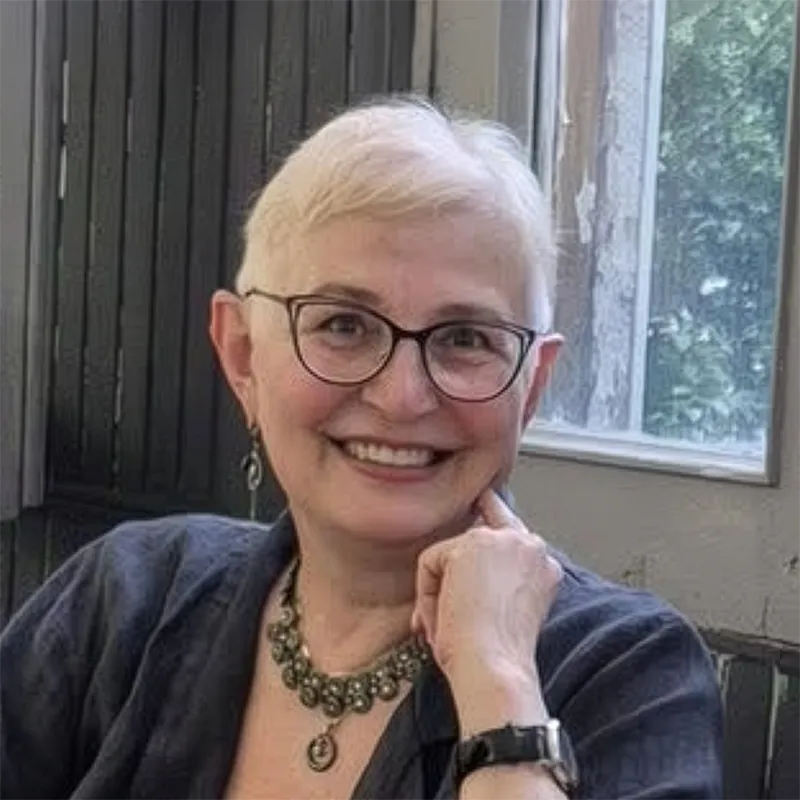
Dr. Natalia Shubladze holds a PhD in medical microbiology/molecular biology and a postgraduate diploma in medical bacteriology. She has multiple certificates in ISO standards and quality management systems. She has provided consultancy services through several organizations, including The American Society for Microbiology (ASM), WHO-EURO, FIND, and USAID.
After 13 years and with a wealth of knowledge and experience in laboratory services strengthening, she moved to the African Region (Nigeria and Cote d’Ivoire), Central Asia (Kazakhstan, Kyrgyzstan, Tajikistan, Uzbekistan), post-Soviet countries (Armenia, Moldova, Belarus, Ukraine, Latvia) and South-East (Myanmar) where she provided consultancy and mentoring services in laboratory strengthening, TB and microbiology diagnostic, quality management systems, leadership, and management.
Prior to consulting, Dr. Shubladze worked as a Microbiologist-Researcher at the National Reference TB Laboratory of Georgia. Currently she is leading scientific projects in this laboratory.
Dr. Shubladze holds a PhD. in Medical Microbiology, Molecular Epidemiology of TB in Georgia from the S. Durmishidze biochemistry and Biotechnology Institute, and a postgraduate diploma in Clinical Bacteriology from Georgian Medical University, as well as an Master’s degree in Virology and a Bachelor of Biology and Chemistry from the Abkhazian State University, Abkhazia, Georgia, USSR.
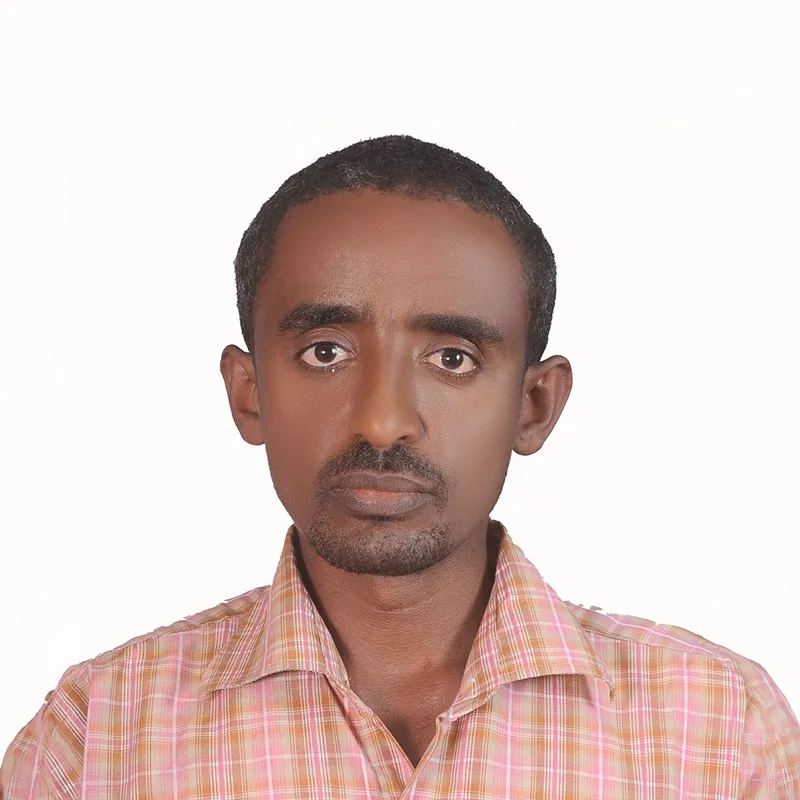
Surafel F Dinku, BSC, MSC, ASCP (IMLS, IMT)
Surafel F Dinku is an International Clinical Laboratory Scientist and Microbiology Technologist with over 15 years of experience infectious disease diagnostics, antimicrobial resistance (AMR) surveillance, and health systems strengthening. Throughout his career, he has focused on advancing microbiology capacity, molecular diagnostics, biosafety, and quality management systems across clinical and public health sectors.
Between 2022 and 2024, Surafel served as a Local Consultant for the American Society for Microbiology (ASM) Global Public Health Program and 2020 –2022 as a Senior Diagnostic Specialist for USAID’s Infectious Diseases Detection and Surveillance (IDDS) project in Ethiopia, In these roles, he was instrumental in elevating diagnostic standards across Ethiopia—leading hands-on laboratory training, mentoring regional and hospital laboratories, and supporting national AMR surveillance and stewardship initiatives with the Ethiopian Public Health Institute (EPHI).
Since 2024, Surafel has been with Johns Hopkins Medicine, serving as a Microbiologist at Suburban Hospital in Bethesda, Maryland. His clinical expertise spans bacterial identification, antimicrobial susceptibility testing (AST), and stewardship management, complemented by a strong background in coaching, mentoring, and delivering comprehensive laboratory training from foundational to advanced microbiology.
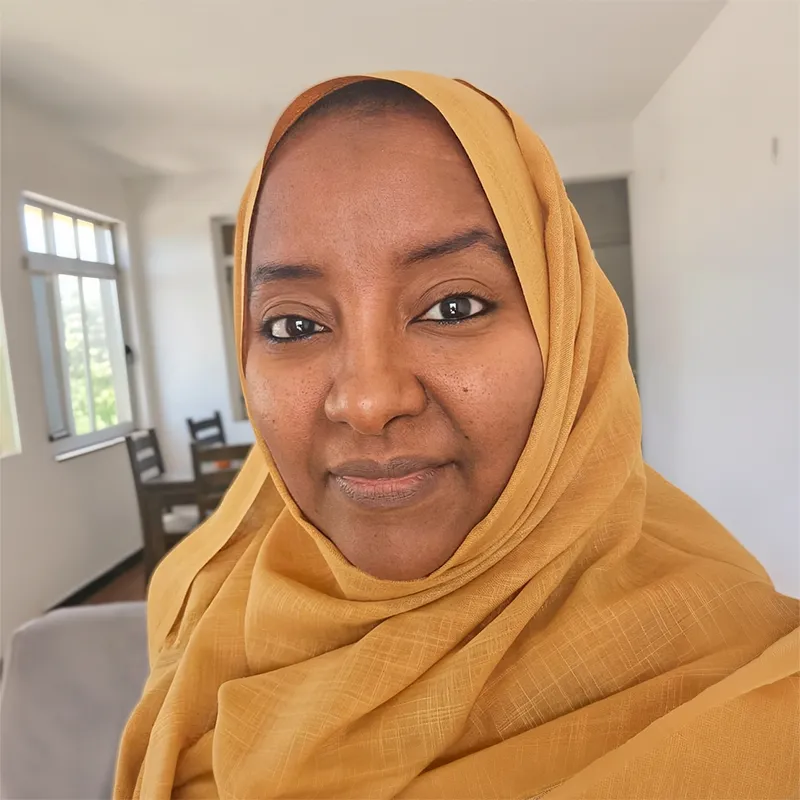
Thuria Siraj Adem, MPH
Raised and based in Addis Ababa, Ethiopia, Ms. Thuria Siraj Adem, is a public health professional with over eight years of experience contributing to the design and implementation of programs that strengthen health systems and improve community well-being. Her work has focused on supporting initiatives that address priority public health challenges through coordinated, locally grounded, and sustainable approaches.
Over the course of her career, she has worked with both national and international institutions, including the American Society for Microbiology (ASM), CDC Ethiopia, EPHI, IRC, and the Population Health Environment Ethiopia Consortium (PHE-EC). During her time with ASM, she supported antimicrobial resistance (AMR) surveillance efforts by coordinating program activities, facilitating trainings, and conducting assessments of bacteriology laboratories in collaboration with government stakeholders and implementing partners. Her experience also includes contributing to research and co-authoring scientific publications.
Earlier in her career, as a Health Program Officer with PHE-EC, she played a central role in proposal development, stakeholder coordination, and monitoring and evaluation of integrated programs linking population, health, and environmental outcomes. Her work emphasized cross-sector collaboration and practical implementation at the community level.
In addition to her programmatic experience, she brings strong technical project management capabilities, supporting research for funding opportunities, contributing to proposal development, and assisting in the design of training materials. She also provides coordination and operational support to technical subject matter experts across Ethiopia and the broader African region, helping translate technical guidance into implementable program activities.
Her professional approach is grounded in ensuring that programs are not only well-designed, but effectively delivered and responsive to the realities of the communities they serve. She is particularly committed to strengthening local capacity and supporting organizations to translate strategy into meaningful, lasting impact.
In addition to her institutional roles, she provides consultancy support to local organizations, focusing on program coordination, capacity building, and implementation support for community-based initiatives.
Ms. Thuria holds a Master of Public Health (MPH), a Bachelor of Science in Microbiology, and a diploma in Medical Laboratory Technology. She is fluent in English, Amharic, and Arabic, and has limited working proficiency in French.
Board of Directors
Tasiyiwa Mapondera
Tasiyiwa Mapondera has 12 years of experience managing regional, national and international programs at government, nonprofit and community organizations.

She is currently based in Qatar where she is a consultant to the Qatar Business Incubation Center in programs development and training. Prior to coming to Qatar, Tasiyiwa was based in Washington, DC, where she launched her career as a nonprofit fundraiser in 2005. After three years as a development professional she wanted to engage more directly with the initiatives for which she sourced funding and broadened her professional focus. In 2008 Tasiyiwa transitioned to roles in program management with a focus on education, holding such posts as Director of Programs at Byte Back, a workforce development organization providing computer literacy and IT training to unemployed and underemployed individuals in low-income communities in and surrounding Washington, DC. In that capacity, she managed a team of staff and consultants to execute Byte Back’s case management, job placement and adult and youth education programs. During her tenure, Tasiyiwa established new regional partnerships, increasing the number of sites and individuals served by Byte Back’s programs. Over the course of her career, Tasiyiwa has led cross- functional teams in performing organizational change, strategic planning, program design and implementation, and direct service delivery. She has a passion for building teams and facilitating collaborative efforts to solve problems; establishing win-win partnerships between community, government and corporate sector interests; identifying opportunities to improve processes and maximize results, and; designing and executing human development programs.
Tatu Ilunga
Mr. Tatu Ilunga is a Senior Consultant with more than 12 years of experience working in policy, regulatory, dispute resolution and tax frameworks with IFIs, Multinational Corporations, Government Agencies and Civil Society Organizations in low and middle income countries.
As part of his recent work, Tatu is focusing on exploring structured approach to help implement better fiscal policy, more transparency and accountability, particularly in developing economies with prominent Extractive Industries (“EI”), while maintaining investment attractiveness. Tatu is currently consulting with institutions such as the World Bank, UNECA, the AUC and the Ford Foundation, amongst others, on various tax issues as they relate to EI as well as on the implementation and follow-up of the recommendations of the High Level Panel (HLP) on Illicit Financial Flows (IFFs). Previously a Senior Policy Advisor for Tax and Extractive Industries at Oxfam America, Tatu was responsible for leading Oxfam America’s policy work with a special emphasis on tax justice issues as they relate to the extractive industries. Tatu Ilunga’s legal advocacy for Oxfam focused on strengthening developing countries’ EI tax policies, regulations, resource mobilization, and civil society capacity building and efficiency to hold government accountable in EI programs. Tatu worked closely with Oxfam country programs and civil society partners as they developed and implemented tax justice campaigns in both Africa and Latin America. Prior to joining Oxfam, Tatu was with the International Center for Settlement of Investment Disputes and the Energy and EI Global Practice at the World Bank. He has also held positions with the International Tax Practice of both KPMG and Ernst & Young in Luxembourg, advising multinational companies on a broad range of cross-border tax issues, tax planning and restructuring including in extractive industries. Tatu has testified on Internal Revenue Services and United States Treasury Department Hearings on tax issues and contributed as a panel member for the General Assembly of the United Nations Economic and Financial Committee. Tatu holds a Master of Laws from George Washington University Law School in International and Comparative Law and a Maîtrise en Droit des Affaires (Juris Doctor equivalent) from the University of Lille 2, France. He is fluent in English and French.
Wendy Kitson-Piggott
Ms. Wendy Kitson-Piggott is a microbiologist by profession, trained at McGill University and the University of Guelph in Canada. She is currently pursuing a Professional Doctorate in Health at the University of Bath in England.
She is a co-founder of the Caribbean Med Labs Foundation at the request of regional Governments in 2008 to provide support for technical and quality systems strengthening in Caribbean medical and public health laboratories and to conduct technical and quality systems implementation research.
Ms. Kitson-Piggott has practiced as a public health professional for some 39 years, gaining local, regional and international experience, starting as a veterinary microbiologist with the Ministry of Agriculture in Trinidad and Tobago. From there she joined the Caribbean Epidemiology Centre (CAREC/PAHO/WHO), providing technical advisory services as the HIV/ AIDS/STI Laboratory Advisor and Training Manager for a European- funded Project "Strengthening of Medical Laboratory Services in the Caribbean."
Christina Novinskey
Christina Novinskey has 15 years of experience working and performing research on health and social policies and public health issues at local, national and international levels.
Currently, she is based in Kenya, where she wears several hats, not least as a health and social policy consultant, director and co-founder of a non-profit preschool, entrepreneur of “Kambu Chai”, a kombucha tea full of probiotics and other ingredients that promote health, and mother of two healthy and rambunctious boys.
Prior to coming to Kenya and after completing her masters in social policy in 2002, Christina began her career in Washington, D.C., at the World Bank, working on the Onchocerciasis (Riverblindness) Control Program. Following this experience, she began to focus on the area of health within social policy. Christina worked as a health policy consultant for organizations such as Harvard Medical International, the Inter-American Development Bank (for which she was a Young Professional Staff), the PanAmerican Health Organization, the World Bank and WHO European Observatory for Health Systems and Policies. For them, she worked on programs and advised organizations on public health issues, such as their preparedness for avian or swine influenza and HPV vaccination, and on health systems and policies, including health care financing, stewardship, human resources for health, health system performance and decentralization, and improvements to health insurance systems. In her private-sector work, she led the content and due diligence for hospital and clinic infrastructure financing projects. She also strived to forge public-private partnerships projects in health. Her work has taken place on the continents of Africa and South America, and specifically in the countries of the Dominican Republic, El Salvador, Denmark, Honduras, Mexico, Nicaragua, Panama, Spain, and Suriname. During this time, she was also a visiting student at Harvard School of Public Health, a US Student Fulbright Fellow to Italy, and she completed her PhD in Social Policy at the London School of Economics and Political Science on 'Determining Policy Priorities in a Devolved Health System: An Analytical Framework'.
Haroun Habib
Mr. Haroun Habib is a leader with a passion for global health, social justice issues and fostering coalitions that empower others to improve their lives.
Currently, he is the Health Sector Analyst supporting the WHO on health information management in Ethiopia and the Lake Chad region with immap, an international NGO. Previously, as the Sierra Leone Project Manager with the Financing Alliance for Health, he has been involved in identifying and developing sustainable financing solutions for the Ministry of Health and Sanitation’s Community Health Worker program. Formerly, as the West Africa Regional Coordinator for the Global Health Security Agenda with USAID, he utilized his exemplary leadership skills to coordinate program activities and report program deliverables, craft strategic documents and build partnerships with host country government partners for health system strengthening in the three Ebola-affected West African countries (Liberia, Sierra Leone, and Guinea) and other countries in the region. Also, Haroun served as a Senior Global Health Specialist with the Association of Public Health Laboratories, an ASPH/CDC Allan Rosenfield Global Health Fellow with the Centers for Disease Control and Prevention in Zambia, where he focused on Global Program Management. Prior to joining CDC-Zambia, Haroun worked as a Policy Support Officer at the Office of the U.S. Global AIDS Coordinator at the U.S. Department of State, a Communications Specialist for an international development consulting company, and as an Analyst at a state public health nonprofit organization. He earned an MPH with a concentration in international health from the Boston University School of Public Health in 2007, and he received a BS in health policy and administration from the University of North Carolina at Chapel Hill in 2004. As a public health professional, he has experience in a diverse range of health policy issues on the local, state, national, and global level, from HIV/AIDS, to health disparities and minority health, and refugee health and human rights. Born in California, raised mostly on the east coast of the U.S., and with a family background from Sierra Leone, West Africa, Haroun considers himself a global citizen with knowledge of African affairs and a desire to help bridge the gap between Africa and the diaspora.
Duncan Muguku
Duncan Muguku’s professional background is in Project Administration, Program Management, Contracts Management, Proposal Budget Development, Procurement Management and Grants Management experience.
He has worked in various nonprofit organizations and holds an MBA in Strategic Management. Duncan founded ThriveYard. com in August 2016. Duncan’s roles include writing in-depth blog articles, designing website framework, preparing slides, infographics drafts, video concepts, working with freelance graphic designers and website developer, maintaining website, writing eBooks, social media management, marketing, sales, accounting, developing training courses on career success in the future.