

Our Projects

Women's Fistula House
The Women's Fistula House at Point G Hospital in Bamako, Mali is a vital initiative under the MHS umbrella. It is dedicated to providing essential treatment and rehabilitation services to women suffering from obstetric fistula (hole in the vaginal canal) in West Africa.
This facility serves as a beacon of hope for countless vulnerable women aged 16 to 80, offering them sanctuary and vital assistance in their time of need, as those who suffer from obstetric fistula are often shunned by their families and communities. Obstetric fistula is a significant threat to women's health and well-being in Mali, where early marriage, high fertility rates, and limited access to maternal healthcare are widespread.
The Women's Fistula House aims to address this pressing issue by offering comprehensive care to those suffering from obstetric fistula, via medical procedures and basic life support. Sustaining these critical services requires ongoing support and resources, so public funding is raised to provide them with access to life-changing treatments, rehabilitation services, and essential support. The mission is to empower the women, restore their dignity, and help them reclaim their lives from the grips of obstetric fistula.

THRIVEGulu
MASS Health Solutions and non-profit THRIVEGulu have joined forces to provide hope and healing to survivors of the Uganda insurgency and refugees from South Sudan. The primary focus is on empowering women and girls who have suffered unspeakable violence as a result of the unrest. We achieve this through a two-pillar approach that offers mental health and psychosocial support via individual counseling, group therapy, yoga, sports, and innovative group counseling methods like the Dance+Therapy Project.
THRIVEGulu's economic empowerment initiatives aim to lift women out of poverty by fostering financial independence and stability through Village Savings and Loans Associations and literacy programs. With dedication and commitment, THRIVEGulu and MHS work to create a brighter future for those who have suffered and struggled to find hope. Together, we advocate for tolerance, human dignity, and fundamental human rights for these vulnerable women and children.

Centre Salif Keita
Communities in Mali have encountered a significant increase in extreme poverty, surging to 19% in 2022 due to the nation’s security crisis and the COVID-19 pandemic. The Centre Salif Keita (CSK), aims to empower vulnerable youth to break this cycle of escalating poverty through sports training, so they can pursue careers in athletics and beyond.
Founded in Mali in 1993 by famed footballer Salif “Domingo” Keita, the first African Golden Ball recipient, CSK is the first non-profit academy in Sub-Saharan Africa dedicated to training young footballers. The center's inspiring vision and goals focus on promoting sports practice, development, and social work that targets youth development. Through its partnerships and grants, the Centre Salif Keita aims to cultivate well-rounded individuals skilled in sports and possessing a solid academic and social foundation, enabling them to pursue multiple paths beyond athletics.
By investing in sports training programs, the Centre Salif Keita helps equip young boys and girls to break out of the cycle of poverty. Sports programs for impoverished youth provide skills, support, and guidance to strengthen individuals and vulnerable communities, and they offer numerous benefits, from physical fitness to emotional and social growth. The success stories of previously trained athletes who have transformed their lives through sports are compelling examples of sports’ potential as a tool for social and economic empowerment in Africa.
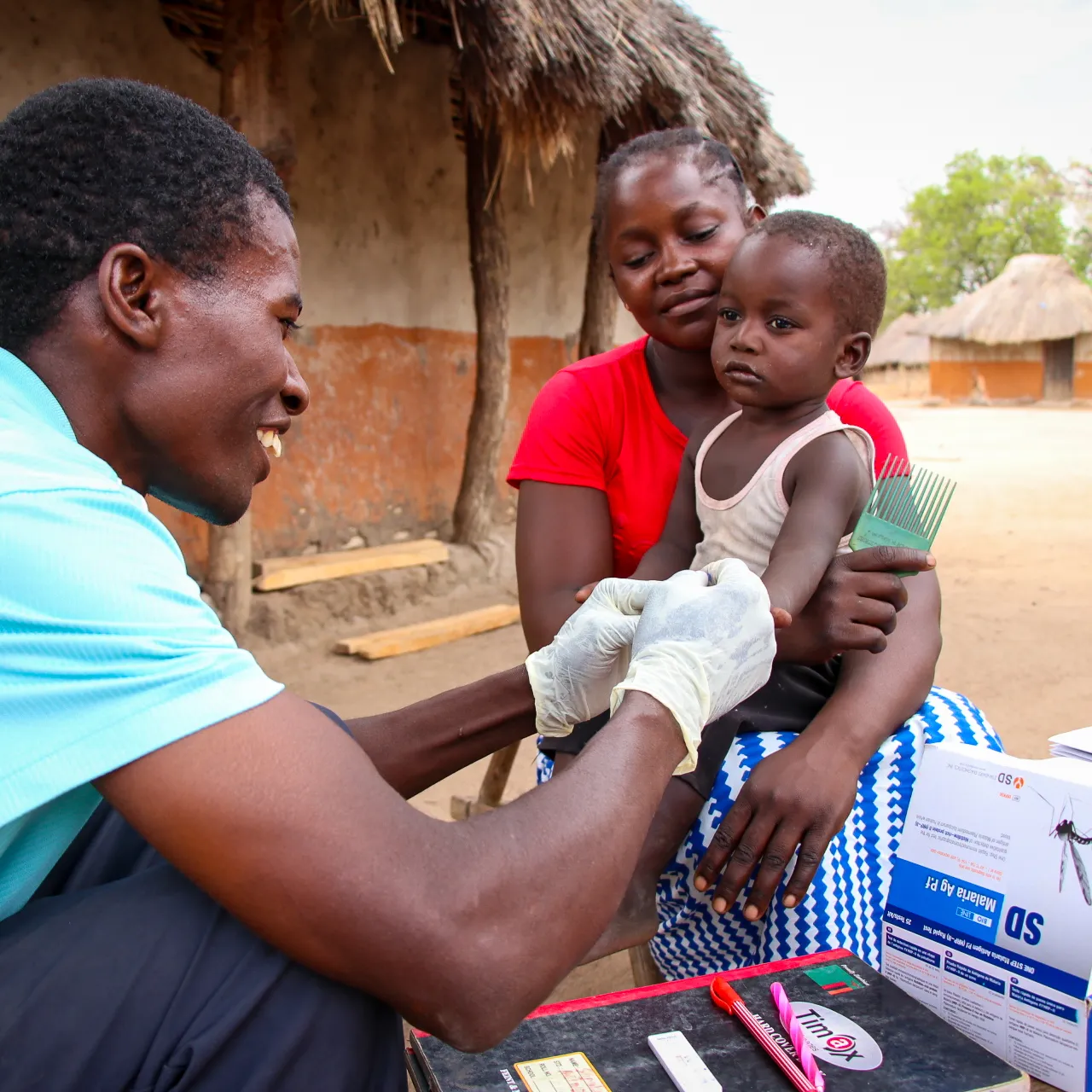
Community-Networked Diagnostics & Surveillance (CONNECT)
Every day, preventable deaths occur because diseases are detected too late. In many low- and middle-income countries (LMICs), communities lack access to even basic diagnostics, and fragile, disconnected health systems delay the identification of infectious threats. What begins as a local outbreak can rapidly spread—impacting not only vulnerable populations, but the global community at large.
MHS launched the CONNECT initiative to change this trajectory. By strengthening public health systems at the community level—where the first signs of disease emerge—this initiative brings early detection, faster response, and life-saving diagnostics closer to those who need them most. It prioritizes underserved and remote populations, ensuring that geography and resources no longer determine who has access to timely care.
Through targeted investments in community-based services, district laboratories, and integrated surveillance systems, CONNECT transforms how health systems function—improving coordination, accelerating response, and enabling data-driven decisions. The initiative also leverages digital innovation, including the responsible use of artificial intelligence (AI), to enhance diagnostic accuracy, strengthen data systems, and connect frontline care to national and global health surveillance.
At its core, CONNECT invests in people and systems that last. By working alongside ministries of health and local partners, it strengthens local capacity, builds sustainable infrastructure, and empowers communities to respond to health threats long after initial investments are made.
Strengthening detection at the source is one of the most effective ways to prevent the next pandemic, combat antimicrobial resistance, and protect millions of lives. CONNECT offers an opportunity to drive lasting impact—helping safeguard the world’s most vulnerable populations while contributing to a more secure and healthier future for all.